
Zopiclone Tablets UK – Trusted Online Pharmacy Delivery
£5.27 £0.83
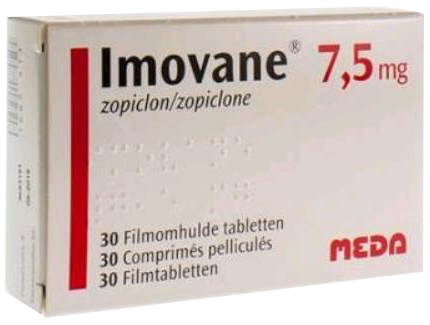
This medication was first prescribed and used in Europe in the late 1980s. It was introduced in the United States shortly after, and has become widely used and well-known by its brand names Imovane and Zimovane. It is typically used for short periods of time to assist people in combatting various sleeplessness disorders.
When zopiclone was first created, it had to undergo a variety of clinical tests and trials in a number of different countries, including the UK. These studies managed to convince the relevant regulatory bodies worldwide that its benefits far outweighed its potential adverse symptoms, which is why it is now so widely used.
Despite its solid overall safety profile, there are still certain risks associated with zopiclone, including its potential side effects and misuse. We will discuss these, as well as its mechanism of action, and how it compares with other similar medicines.
Profile of Zopiclone and Pharmacological Structure
This treatment is classified as a non-benzodiazepine (sometimes referred to as ‘z-drugs’), and works by acting on GABA receptors in the brain. It has similar effects to benzodiazepines, although it has less muscle relaxant and anticonvulsant properties.
Zopiclone is usually utilised for the treatment of sleeplessness disorders; however, due to its potential for dependence, it is normally advised for short-term use. This can allow a person to regain control of their sleep–wake cycle, at which point they will slowly reduce their usage to zero.
The Zopiclone Mechanism of Action
This medication binds to certain parts of the GABA receptors in the brain. GABA is a chemical that naturally calms anxious thoughts. Its effects are boosted by this medication, which is how it allows people’s minds to relax and drift off easily at night. It has also been shown to reduce the frequency of unexpected awakenings at night, allowing users to get the full 7 to 9 hours of rest that is recommended.
When zopiclone binds to GABA receptors, it opens up the chloride channel in the brain. This allows an influx of negatively charged chloride ions to enter neurons. This in turn affects the neuronal membrane, making it less likely to trigger unnecessary neuronal activity, and providing a calming and stress-reducing effect for UK patients.
Understanding Pharmacokinetic Effects on Metabolism
Pharmacokinetics looks at the way in which the body processes zopiclone, or any other drug, in terms of metabolism, absorption and excretion. These are important factors for a person to be aware of before they get their zopiclone online.
Most of the processing of this medication is done by the liver. This is why it is so important for anybody with a history of liver disease, or liver issues in general, to approach zopiclone with due caution and speak to a medical professional before using it.
The half-life of a medication is the time it takes a person to eliminate 50% of it from their system. Zopiclone has a half-life of approximately 5 hours, although this will vary among individuals based on several factors. This process typically takes longer for elderly patients. Zopiclone usually remains in the body for roughly 12 hours, although traces can be found in urine for up to 49 hours.
Sleeping Pills Comparison
| Product | Active Ingredient | Dosage Strength | Formula | Activation Time | Duration of Effects |
| Zimovane | zopiclone | 7.5mg & 10mg | Tablet | 30 to 60 minutes | 7-8 hours |
| Ambien | zolpidem | 10mg | Tablet | Approximately 30 minutes | 3 - 8 hours |
| Lunesta | eszopiclone | 1mg | Tablet | Approximately 30 minutes | 8 hours |
As can be seen, zopiclone has a relatively long activation time compared with some similar medications and will normally remain active within the body for longer. This can make it a safer and more reliable choice for treatment than other options available in the UK. These medications share similarities: they are typically distributed as hard pills and are available as more affordable generic medicines.
Clinical Uses and Therapeutic Effects
Zopiclone is most commonly used for the short-term treatment of sleeplessness disorders. However, when this treatment is misused, or is taken without the supervision of a doctor, it can be extremely harmful.
Efficacy for the Short-Term Treatment of Insomnia
Sleeplessness disorders are the most common use for zopiclone. They involve a person being unable to get the required quality or duration of uninterrupted rest each night. This can be due to unexpected awakenings throughout the night, or an inability to fall asleep in the first place. The most common of these conditions in the UK is insomnia, although other examples include restless leg syndrome and sleep apnoea.
Many trials have concluded that zopiclone is effective in treating insomnia and carries a limited risk of adverse symptoms. The main reason zopiclone is prescribed short-term is its potential to be habit-forming. Doctors will typically advise 2 to 7 weeks of use, depending on an individual’s circumstances. During this period, patients are urged to adopt habits and lifestyle adjustments to maintain a better circadian rhythm once treatment ends.
Studies into the Effects on Older Adults
Zopiclone, similar to other z-drugs, can pose added risks for older patients. Recent research in the UK has shown zopiclone can be generally well tolerated by those over 65, with improved sleep quality and only mild adverse reactions. It is still advisable for anyone in this age bracket to seek specific guidance from their doctor based on symptoms, age and medical history.
Doctors commonly recommend a lower starting dosage for elderly patients to assess tolerance before any increase. This caution also applies to those with heart or liver issues or a history of substance abuse. As insomnia is more common in the elderly, there is high demand for suitable treatments. Zopiclone poses less risk of causing falls and is generally better tolerated than traditional benzodiazepines in this group.
Safe Usage and Administration Guidelines
Zopiclone should be taken roughly an hour before going to bed to allow time for absorption. It is normally taken as a hard tablet, although in certain countries a dissolvable gel is available. Each pill should be taken with a glass of water and can be accompanied by a light meal or snack. Heavy or fatty foods should be avoided as they can interfere with absorption.
Patients are advised to ensure a clear window of at least 7 hours for sleep. Waking earlier than this increases the likelihood of next-day drowsiness. Anyone planning to get zopiclone online should first speak with a doctor regarding the appropriate dosage. For further information, consult the patient information leaflet included with the medication.
Patient Eligibility
Before prescribing zopiclone, doctors often recommend lifestyle adjustments to naturally improve sleep—exercise, consistent routines, and improving the bedroom environment (comfortable bed, dim lighting, suitable temperature). If these steps fail to improve sleep, zopiclone may be considered and a suitable starting dosage suggested.
Added caution should be exercised by people with a history of substance abuse or those suffering from depression or anxiety; alternatives may be recommended.
Assessing Adverse Reactions, Risks and Potential Dependency
Common negative effects include a bitter or metallic taste, drowsiness, or dry mouth. These are usually mild and often subside as the body adjusts. One main risk is that zopiclone can be habit-forming, so transparency with a prescribing doctor is essential. They may suggest alternatives or a lower starting dosage.
Managing Serious Side Effects
Severe reactions are rare but can include heart murmurs, shallow breathing, or severe allergic reactions such as anaphylactic shock. In such cases, urgent medical assistance is required. Severe reactions are most often linked to not following usage instructions or increasing dosage without medical advice. Mixing zopiclone with alcohol is highly dangerous; grapefruit or grapefruit juice may also affect zopiclone concentrations due to furanocoumarins in grapefruit.
Drug Misuse & Addiction
When first released, the risk of dependency became apparent in human and animal studies. People can become physically reliant in just a couple of weeks. Many users develop anxiety about sleeping without the medication after several weeks of use. In the UK, zopiclone is listed as a Class C drug. Long-term use can lead to tolerance to benzodiazepine treatments, which is why medical guidance is important when switching medications.
Withdrawal Avoidance and Navigation
Suddenly stopping zopiclone can cause psychological and physical withdrawal symptoms: anxiety about sleeping, rebound insomnia, strange perceptions, sweating, tremors, nausea, and vomiting. Rare severe cases have reported seizures after abrupt cessation. Withdrawal is usually avoided by tapering under medical supervision. A common tapering approach is reducing the dose by about 25% per week until cessation, though some patients require a slower plan.
Public Health Warnings and Off-Label Usage
The non-prescribed use of zopiclone in the UK is an increasing problem. Obtaining medication from unreliable online sources poses serious dangers. Emergency departments have reported increases in incidents related to this medication and similar drugs.
Signs of Off-Label Usage
Recent UK studies found that 1.2% of adults had taken zopiclone non-medically within the last year—approximately 635,000 people. Off-label use is more prevalent among users of serious illicit drugs and is often used to get rest disrupted by other substances. This misuse disproportionately affects vulnerable communities and highlights the need for improved regulation and support.
Social Dangers and Impact
Zopiclone can lead to dependency more quickly than other z-drugs and can cause serious memory impairment when abused; users may have gaps in recollection lasting days. Overdose risk rises when combined with alcohol or other depressants.
Recommended Prevention Techniques
Potential measures to reduce misuse in the UK include tighter regulation of online platforms selling zopiclone without prescriptions and better education for treatment providers to identify signs of dependency. These steps could particularly help vulnerable communities and improve intervention protocols for those misusing the drug.
Frequently Asked Questions
Are there any recommendations for treating insomnia with zopiclone?
Guidelines for treating this condition will typically recommend 7.5mg to be taken prior to going to bed, with a window of 7 to 9 hours before the patient must wake. This will normally be prescribed for a period of 2 to 4 weeks in the UK, although this will vary based on a person's individual circumstance and symptoms.
How does zopiclone compare to other sleeping pills for efficacy and safety?
This treatment is known to work better than many benzodiazepine treatments that were traditionally used for the same purpose. This is because it provides the same improved rest at night, while causing less next-day drowsiness, due to its comparatively short half-life.
What are the known side effects and risks of taking zopiclone?
Adverse symptoms such as a dry mouth, a metallic taste in the mouth or drowsiness will occur in a minority of patients, however these are typically mild in nature. Severe reactions are extremely rare, but can include difficulty breathing or even the development of a dependency.
Why is zopiclone considered so effective?
This medication is considered highly effective due to its powerful sedative qualities, and relatively short half-life. This has made it a widely trusted option.
How long does it take for zopiclone to be eliminated from the body and does this change depending on the person?
For the average adult in the UK, the half-life will be somewhere around 5 hours. It can remain effective to a lesser extent for up to 12 hours, and can be found in traces in a patient's urine for up to 49 hours.
Is there recent research into zopiclone withdrawal and dependency?
Recent research has found a clear risk of addiction with this treatment, that was not fully understood when it was first made available to the public. This means that it must be approached with extreme caution, and must only be taken under the guidance or supervision of a medical professional.