
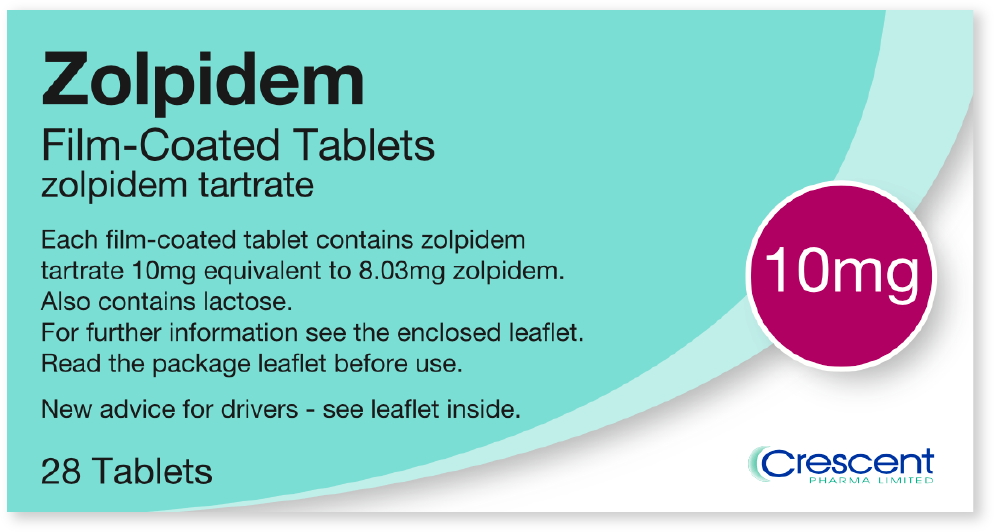
Zolpidem Tablets UK – Trusted Online Pharmacy Delivery
£5.27 £0.83
This non-benzodiazepine hypnotic medication is primarily used for the management and short-term treatment of insomnia. Most commonly referred to as “Z-drugs”, this medication primarily affects the GABA-A receptors in the brain to induce a state of drowsiness and encourage sleep.
In the UK, zolpidem is a prescription medication that is strictly regulated by the Medicines and Healthcare Products Regulatory Agency (MHRA). Patients are required to visit their local GP, and gain a personalised treatment plan to address their situation.
Thankfully, patients can now learn more about zolpidem online through their smart devices. Internet pharmacies also aim towards providing reliable medications to those who cannot visit a chemist during daytime hours and already have a prescription for the medication they need.
Understanding the Latest Zolpidem Research
In recent years, more and more research has been conducted towards establishing the basic efficacy of this treatment while also establishing safety guidelines. Most studies focus on refining its usage and understanding its nuanced effect on the brain. At the same time, other studies also focus on the management of withdrawal symptoms and the consequences of long-term usage.
One particular study on zolpidem saw patients altering their treatment dosage to exceed their daily intake. A small number of patients were reported to have exceeded their daily limit. This study strongly highlights the importance of responsible usage with this medication and the prevalence of dependency if the dosage and usage instructions are not closely followed.
Results of Cutting-Edge Clinical Trials
Trial comparisons (Zolpidem vs CBT)
Over the last few years, there have been a number of clinical trials in the UK that study how well zolpidem works when it is compared to Cognitive Behavioural Therapy (CBT) for treating insomnia. One controlled trial of 104 patients using CBT and 107 using z-drugs directly compares the effectiveness of these treatments as first-stage solutions to sleeplessness.
The trial used zolpidem tablets that dissolved under a patient’s tongue, with a mild strength of 5 mg to 10 mg before bedtime. On the other hand, CBT used methods like sleep restriction and stimulus control. While initial results showed that this medication can help patients manage sleeplessness, the trial also showed that some patients exceed their daily limit.
Other notable studies
Another clinical study conducted in Italy analysed the pattern in which patients may develop a dependency from zolpidem. This phenomenon was later dubbed the “Z-trip”, due to the effects that were caused by this treatment.
Research Focus and Discussion Points
The focus point of most current studies is aimed towards answering questions that revolve around tolerance development after taking zolpidem. In some cases, patients taking this treatment will increase their daily intake instead of sticking with their treatment plan.
Key research questions
In the UK, the primary questions asked in these studies include:
What is the driving factor that makes a person tolerant of this treatment?
Why does the GABA-A receptor change?
Which method can minimise withdrawal symptoms?
To answer these questions, many researchers are diversifying their approach through gender-specified treatment plans and strict intake routines. Thanks to these approaches, it has been determined that female patients may have higher zolpidem concentrations due to differences in albumin binding and metabolism. Clonazepam has also proved valuable in helping patients deal with withdrawal symptoms, though more research is required to fully understand its role.
Data Collection Methods
There are a number of methods that researchers can use to collect data on a medication. One of the most popular methods used in zolpidem research is the Pearson’s Chi-squared test, which compares data patterns between genders and checks for associations between side effects and categorical variables.
In the UK, another popular method to gather data first requires a medication to become widely used by the public. Once a large majority has been identified, the Yellow Card Scheme collects reports on any side effects from doctors and patients.
Common data points collected
Through a mix of strategies, zolpidem researchers can gauge the effectiveness of this medication while collecting data such as:
• Adverse reactions and side effects.
• Dosage alterations in a care plan.
• Frequency of withdrawal symptoms.
• Treatment response to withdrawals.
Scientific Findings and Peer Group Reviews
Scientific research and findings on zolpidem generally go through a number of peer reviews before they are published. This process ensures that the treatment is checked by other scientists before it becomes available to the general public.
The review process may take some time, as different requirements for each medication must be met. Some of the most common requirements include:
• A detailed and methodological explanation of how zolpidem works.
• Statistical analysis of its efficacy.
• Ethical confirmation.
• Resolved conflicts of interest between manufacturer and provider.
Scientific journals are a vital part of approving a medication. Patients can read about zolpidem online through these journals, ensuring an informed decision in treatment.
Safety and Efficacy of Zolpidem: What the Data Says
In terms of efficacy, the most commonly asked question is “Does this medication work?” Clinical data shows that zolpidem can help patients fall asleep much more quickly than CBT in some trials.
Another common question is “Is zolpidem safe?” Short-term usage of this medication can help manage several sleep-related disorders, yet patients must be made aware of the risk of dependency. In the UK, this medication is generally used in small dosages for a duration of 2 to 4 weeks. During this time, it is essential to form positive sleeping habits to decrease the necessity of the medication.
Clinical Uses and Therapeutic Benefits
Not being able to get a proper night’s rest can cause a number of complications. Zolpidem is an effective solution that can help adults treat insomnia, improving their quality of life and well-being. For women and elderly patients, treatment must be overseen by a medical professional.
This medication has a rapid onset and short duration. Many studies have reported its effectiveness to be within 15 to 30 minutes after ingestion, giving plenty of time for patients to become comfortable in bed. In the UK, zolpidem is part of a broader treatment plan that helps reset circadian rhythm and promotes healthier, deeper sleep.
Published Research and Clinical Studies
Published data on zolpidem shows mixed but generally positive results. Due to its quick onset, a number of patients have experienced an increase in total sleep time by about 60–90 minutes. At the same time, most patients often report better sleep quality, sometimes referring to it as the deepest slumber they’ve experienced.
Most patients prefer using the 10 mg zolpidem variant, reporting deeper, less interrupted sleep than with the 5 mg dose. Although this higher dosage can be more effective, it can also increase the risk of side effects. Other formulations with longer duration may cause next-day drowsiness as a trade-off.
Safety Considerations and Potential Side Effects
Despite numerous studies finding this medication clinically safe for short-term use, patients must adhere to their treatment plan to reduce the risk of side effects. Daytime sleepiness, headaches, and nausea are the most frequent adverse effects caused by zolpidem.
Many of these symptoms can be managed with OTC remedies that do not interact with zolpidem. One survey of 148 patients also linked zolpidem to complex sleep behaviours such as sleepwalking, sleep eating, or sleep shopping. Female patients may have a higher chance of next-day drowsiness, especially with extended-release formulations.
To ensure safety, patients are urged to stick with their zolpidem treatment plan and consult a medical professional about any abnormal responses to the medication. This can help adjust dosage and lead to better outcomes.
Scientific Writing Practices
For a medical journal, adhering to high standards of scientific writing is essential to inform patients about a treatment. Zolpidem online reviews and studies should be accessible through reputable portals and supported by citations from authoritative sources such as the UK’s MHRA, the British National Formulary, or peer-reviewed journals.
Language in these articles should be precise and avoid sensationalism. For example, instead of saying “zolpidem is dangerous for the elderly,” a scientific article would specify: “Associated dose dependency may increase the risk of falls in patients over the age of 65.” Clear, ethical communication prevents misinformation.
Maintaining Pharmaceutical Standards
In the UK, prescription medications like zolpidem pass through an extensive process to ensure their safety according to pharmaceutical standards and international guidelines. Every step, from manufacturing to dispensing, is subject to regulation to ensure purity and avoid contamination.
Generic medications are typically less expensive than branded ones and can be found on internet pharmacies, which generally hold regulatory certificates. Generic zolpidem formulations that have regulatory approval demonstrate bioequivalence to branded equivalents and must meet strict safety and quality standards.
Understanding Interactions — Dosage and Usage
Typical adult starting doses are 5 mg or 10 mg taken 30 minutes before bedtime, with an allocated 7–8 hours of rest. Adults over 65 usually start at a lower 2.5 mg dose, taken within the same timeframe.
Zolpidem metabolism can be affected by other treatments, including central nervous system depressants, alcohol, opioid analgesics, or other sedatives like diazepam. Drugs that inhibit CYP3A4 enzymes can increase zolpidem blood levels and enhance effects. Patients must provide their medical history to their prescriber to ensure safety and effectiveness.
Using Footnotes and References to Maintain Quality
Footnotes and references are essential for transparency and quality. Citing MHRA drug safety reports, manufacturer information, and clinical trial registrations establishes credibility and provides important details for clinicians and patients.
Effective references should include trademark acknowledgements, manufacturing details, statistical sources, and important usage declarations. This practice helps readers verify claims and anchors discussions in evidence-based UK healthcare.
Expert Advice
Expert commentary from somnologists and sleep specialists can add clinical context and strengthen discussions about zolpidem’s efficacy and safety. Experts should write clearly and accurately so patients can understand complex medical information.
Recommended writing techniques for experts include concise explanations of medical terms, using active voice for procedures, consistent tense usage, and maintaining parallel structure in lists and comparisons.
Medical Journals for Zolpidem Research
Researchers typically target journals that match their study goals. For zolpidem and other z-drugs, relevant journals include the Journal of Clinical Sleep Medicine (JCSM), the International Journal of Healthcare (IJH), and the British Journal of Clinical Pharmacology (BJCP).
For accessible summaries aimed at the public, the UK’s National Institute for Health and Care Excellence (NICE) is a valuable resource for evidence-based guidance.
Finding Target Markets
Selecting an appropriate journal helps align research goals with the intended audience. Neuropsychopharmacology journals suit studies of brain chemistry and cognition, while clinical research journals fit studies on patient practices and outcomes.
Impact factor and relevance must be balanced: researchers should choose outlets that provide both scientific rigour and visibility within the target community.
Preparation Before Publishing
Before publication, researchers must include clinical trial registrations, detailed trial methods, and ethics approvals—especially important for controlled medications like zolpidem. Manuscripts should contain a clear introduction, methods, results, and discussion to ensure completeness and reproducibility.
Frequently Asked Questions
It is not rare for patients and healthcare providers to enquire about their treatment. In the case of zolpidem, these questions often revolve around its reliability, safety, and effectiveness. As time goes on, newer research further enhances the understanding and guidelines of z-drugs, making them more effective.
What are the clinical effects of Zolpidem?
The primary effect of this medication is to induce drowsiness, which leads to sleep. In the UK, clinical trials showed that this medication induces a state of drowsiness in patients within 15 minutes of ingestion. After 30 minutes, many of the patients had fallen into a deep slumber.
Can Zolpidem interact with other drugs, and what are the chances of this happening?
Yes, this medication can interact with a number of other medical treatments. Patients are advised not to mix central nervous system depressants, alcohol, opioids, or other benzodiazepines with zolpidem, as these can cause breathing problems or severe complications.
Does clinical research highlight risks when Zolpidem is used long-term?
Yes, clinical research in the UK suggests many patients may develop a tolerance for the effects of this treatment after 2-4 weeks of use. In most cases, a medical professional will decrease the dosage gradually to reduce the likelihood of withdrawal symptoms.
Are certain patients at a higher risk of experiencing Zolpidem side effects?
Yes. Typically, the recommended dosage for the elderly is half of that for younger adults. Studies on women have shown that zolpidem is metabolised slowly, leading them to experience longer periods of drowsiness.
How does the efficacy of this treatment compare to other hypnotic medications when treating insomnia?
Compared to traditional z-drugs, zolpidem works in a similar manner to induce drowsiness in a patient. In the UK, this medication has shown greater sleep improvements when lifestyle changes and CBT treatments are not enough.
What is the latest Zolpidem safe dosage guidelines?
For adults under the age of 65, the standard tablet of 10mg can be taken once before bedtime, and treatment should not exceed a duration of 4 weeks. In the case of the elderly, or patients new to the treatment, a starting dosage of 5mg zolpidem is recommended.